September 2, 2026
Maintaining a motor vehicle requires constant vigilance from drivers. Mechanical components deteriorate over time, demanding attention to ensure road safety. Among the most critical systems, the braking mechanism stands out as paramount. Functional friction materials prevent collisions and protect passengers during daily commutes. Ignoring subtle signs of deterioration leads to severe mechanical damage. Motorists must maintain a proactive stance regarding routine system upkeep to keep automobiles operating at peak efficiency.
Regular mechanical inspections play a fundamental role in overall automotive longevity. When friction elements wear thin, the entire stopping apparatus compromises passenger safety. Vehicle owners need a clear understanding of what mechanical degradation looks and sounds like. Delaying necessary repairs results in escalating damage to rotors and calipers. Scheduling an auto brake service at the initial sign of trouble minimizes future repair costs and prevents hazardous driving conditions on highways.
Recognizing Unusual Auditory Signals
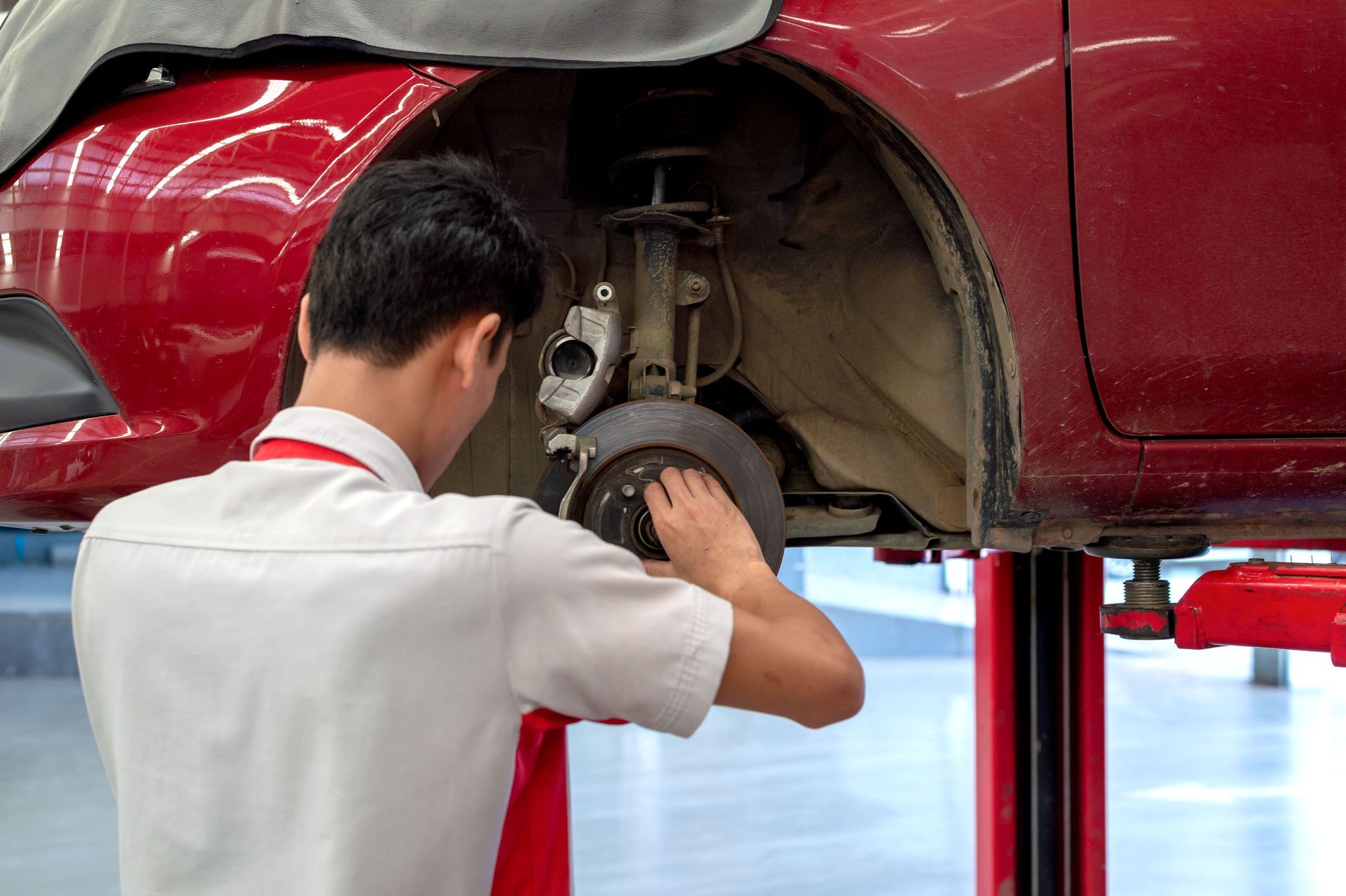
Auditory cues offer the earliest indication of component degradation. Automotive manufacturers engineer a small metallic indicator into the friction material structure. As the composite material thins, this metal strip rubs against the steel rotor. The resulting friction produces a high-pitched squeal during engagement. This sound alerts motorists that the components have reached a critical wear stage. Ignoring this distinct noise allows further material depletion and subsequent mechanical failure.
If the squealing progresses into a deep metallic grinding, the situation has escalated into a severe hazard. Grinding sounds indicate that the protective friction material has vanished in its entirety. The bare steel backing plate now scrapes against the rotor. This abrasive contact causes irreversible gouging on the rotor surface. At this stage, immediate auto brake service becomes mandatory to restore fundamental stopping capabilities and prevent vehicular collisions.
Environmental factors cause temporary squeaking, complicating the diagnostic process for vehicle owners. Morning dew or ambient moisture creates a thin layer of rust on the iron rotors overnight. Initial applications of the pedal scrape this rust away, creating a brief noise. However, persistent squealing throughout the day points toward genuine component wear. Drivers must distinguish between temporary moisture noises and permanent wear indicators to ensure proper maintenance schedules.
Paying attention to when the sounds occur helps isolate the specific mechanical fault. A squeak happening while in motion but disappearing during deceleration points to the wear indicator dragging. Sounds emitting from a specific wheel suggest uneven wear patterns across the axle. Mechanics utilize these auditory descriptions during an auto brake service to diagnose complex system faults. Timely intervention prevents complete system failure and maintains structural integrity.
Identifying Strange Physical Sensations
Beyond sounds, tactile feedback provides essential clues regarding system health. A vibrating steering wheel during deceleration indicates uneven rotor wear. Extreme heat from friction warps the flat surface of the steel rotors. When the calipers clamp down on this warped surface, the irregularities transfer through the steering column. Drivers feel this as a distinct judder or pulsation in their hands, signaling a need for immediate mechanical inspection.
The pedal itself communicates significant information about component condition. A pedal feeling soft or spongy suggests air trapped within the fluid lines. A stiff pedal indicates a failing power assist mechanism. Worn components require more pedal travel to achieve adequate stopping force. Motorists noticing a change in pedal resistance should seek prompt mechanical evaluation to avoid catastrophic hydraulic failure during emergency stops on the roadway.
A vehicle pulling to a specific side during deceleration reveals uneven component degradation. If material wears faster on the driver's side, the car will veer off a straight path. Sticking calipers cause this uneven pressure distribution. Such pulling creates unpredictable handling characteristics in emergencies. Professional auto brake service resolves these balance issues by replacing axle components simultaneously to guarantee even pressure application during sudden stops.
Driving environments impact how fast these physical sensations develop over time. According to Cars.com, commuters who frequently drive in the city or during rush hour may need to replace their brakes every 15,000 to 30,000 miles. Stop-and-go commuting accelerates material depletion compared to highway travel. Motorists in urban areas must monitor physical feedback cues with elevated scrutiny due to this accelerated wear cycle and the constant need for rapid deceleration.
Observing Decreased Stopping Power
A noticeable reduction in stopping capability serves as a severe warning sign. Worn components lack the necessary friction material to halt a heavy machine with efficiency. Drivers notice increased stopping distances at intersections. This delayed response time becomes lethal during sudden highway decelerations. Compromised stopping power demands an exhaustive inspection of the entire hydraulic and mechanical architecture to prevent collisions with other vehicles or stationary objects.
Component fade occurs when the elements overheat during intense use. Descending steep grades requires constant friction, generating massive thermal loads. Standard materials lose their gripping ability when temperatures exceed design thresholds. If a vehicle exhibits reduced stopping power after prolonged downhill driving, the composite material might be glazed. Glazed friction material hardens and loses its essential gripping characteristics on a permanent basis, requiring a complete replacement.
Contaminated fluid decreases overall system effectiveness and mimics material wear. The fluid absorbs moisture from the atmosphere over time. This absorbed water lowers the boiling point of the hydraulic fluid. High heat turns this moisture into steam, creating compressible gas bubbles in the lines. The resulting loss of hydraulic pressure mirrors the symptoms of degraded pad material, necessitating thorough fluid evaluation by trained automotive technicians.
Restoring optimal stopping distances requires professional diagnostic tools. Technicians measure material thickness and inspect fluid quality during routine maintenance. Motorists experiencing longer stopping distances should arrange an auto brake service without delay. Mechanics possess the expertise to differentiate between worn materials and hydraulic failures. Prompt component replacement ensures the vehicle maintains the ability to halt within safe, predictable margins during hazardous driving conditions.
Detecting Dashboard Warning Indicators
Modern vehicles feature advanced electronic monitoring systems for critical safety components. Sensors integrated into the mechanical infrastructure track material thickness and fluid levels. When the friction material drops below minimum specifications, a circuit triggers the dashboard warning light. This illumination serves as an unambiguous mandate for an immediate system overhaul. Ignoring dashboard warnings invites catastrophic component failure and hazardous driving scenarios for everyone on the road.
Specific warning lights indicate low fluid levels rather than worn materials. As friction material thins, the caliper pistons extend further to maintain rotor contact. This extension draws more fluid from the master cylinder reservoir. A drop in the reservoir level trips the sensor, illuminating the dashboard light. A fluid warning acts as an indirect notification of thin pads, requiring a comprehensive mechanical inspection from an experienced technician.
Anti-lock system faults trigger dedicated dashboard illuminations in modern automobiles. The computer monitors wheel speed and hydraulic pressure to prevent skidding. If a wheel speed sensor malfunctions due to metallic debris, the system disables the anti-lock feature. While standard stopping capability remains intact, the vehicle loses its ability to prevent wheel lockup. Such malfunctions require specialized diagnostic scanning tools to pinpoint the exact electrical failure.
Dashboard warnings remove the guesswork from automotive maintenance schedules. Relying on these visual cues prevents motorists from pushing components beyond safe operational limits. When the warning light activates, scheduling an auto brake service ensures a comprehensive evaluation. Technicians read stored error codes to isolate the exact failure point. Correcting the electronic fault guarantees the physical components operate with precision and reliability during daily vehicular operation.
Ignoring deterioration signs puts everyone on the road at immense risk. The stopping system acts as the primary defense against unexpected road hazards and sudden traffic changes. Regular professional evaluations catch excessive wear before catastrophic failure occurs. Staying vigilant about material thickness ensures the vehicle remains a reliable mode of transportation for years. When you experience any of these warning signs, bring your vehicle to us at Ultimate Motor Cars and Service for a comprehensive auto brake service. We will thoroughly inspect your braking components to ensure your car remains safe on the road.